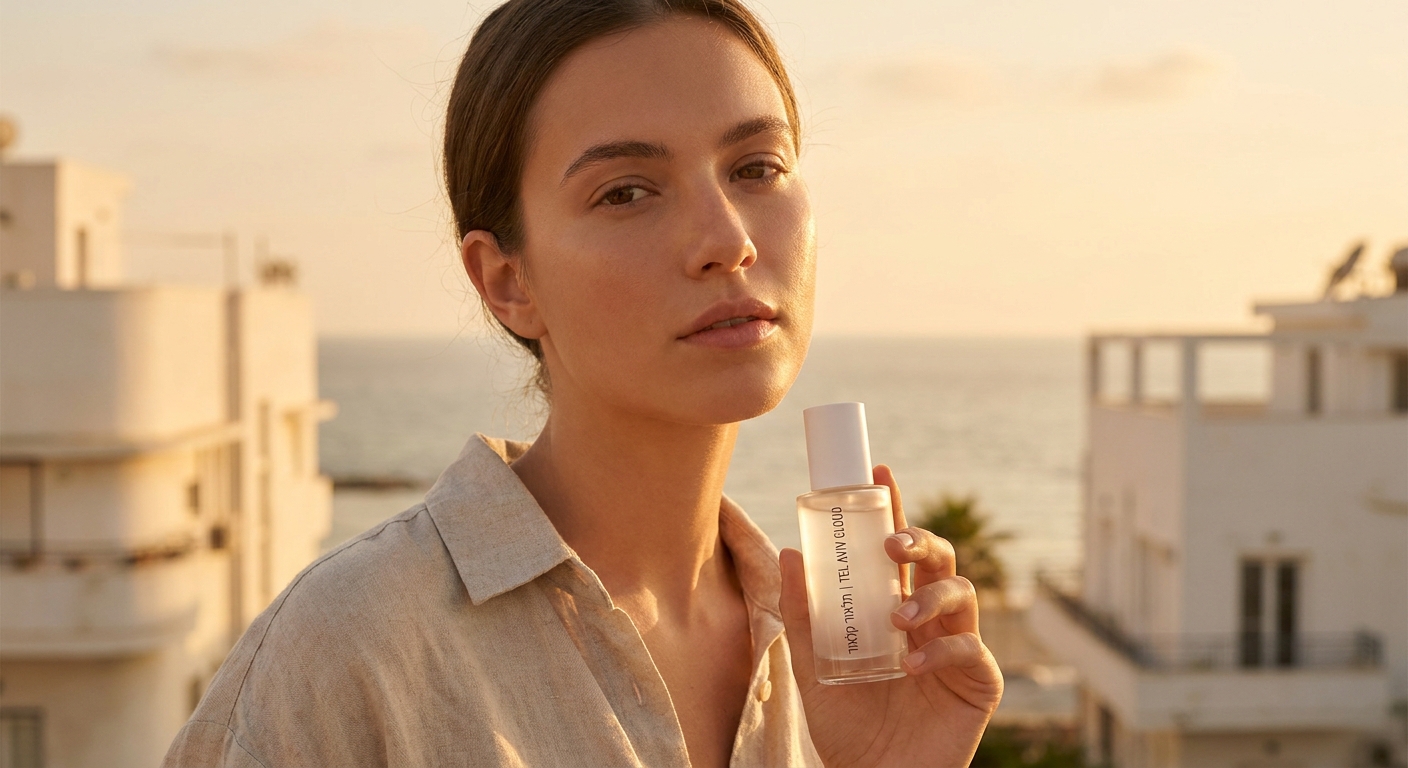
Your skin can feel impossible to please here. One day it is shiny from heat and humidity. The next it is tight from air-conditioning, red from sun, and somehow still dull on camera. Then you try a trendy glow product and it slides off by noon, or a matte one that makes your face look flat and thirsty. That is why the “cloud skin” trend has people interested. Done right, it gives you that soft-focus, smooth, healthy finish without the heavy grease of old-school dewy products. The twist is that real cloud skin is not about piling on ten layers. It is about smart layers that calm, hydrate, blur, and protect. And that is where the new Israeli cloud skin serum category stands out. These formulas are being built for strong sun, dry indoor air, and sensitive, reactive skin. In other words, for real life, not just ring-light life.
⚡ In a Hurry? Key Takeaways
- Israeli cloud skin serum formulas work best when they mix light hydration, barrier support, and a soft blurring finish under SPF.
- Start with three steps only. Serum, mineral-rich moisturizer or primer, then a tone-correcting SPF.
- If your skin is sun-stressed or sensitive, avoid over-exfoliating for the trend. A healthy barrier gives a better “filtered” look than harsh actives do.
What “cloud skin” actually means
Forget the name for a second. Think of the finish you want. Not oily. Not chalky. Not a glittery glow. Cloud skin is that soft, plush middle ground where skin looks smooth, lightly diffused, and quietly healthy.
It usually comes from four things working together. Water-based hydration. Barrier support. A little light reflection. A little oil control. If one part is missing, the whole look falls apart. Too much glow and you look sweaty. Too much matte and every dry patch shows up.
That is why the best Israeli cloud skin serum products are not trying to act like full makeup. They are skin-first. They focus on bounce, calm, and a refined surface so your face already looks better before you even reach for concealer.
Why Israeli formulas fit this trend so well
Beauty trends often come from places with mild weather and studio lighting. Our skin deals with harder stuff. UV exposure. Heat. Dust. Indoor cooling that sucks the life out of your cheeks. A good product here has to do more than look pretty on TikTok.
Israeli skincare labs have long worked with mineral actives, lightweight gel textures, dead-sea inspired ingredients, and barrier-friendly hydration systems. That makes them a natural match for cloud skin. The goal is not to fake perfect skin. It is to help stressed skin behave better.
Common formula strengths to look for
When shopping this trend, keep an eye out for ingredients like hyaluronic acid, glycerin, ectoin, niacinamide, panthenol, squalane, and mineral-rich water blends. These help skin hold water, reduce that tight feeling, and create a smoother surface.
You may also see soft-focus minerals, silica, or very fine blurring powders in a serum-primer hybrid. Those can help with the “camera-ready” part without the thick feel of older primers.
What to look for in an Israeli cloud skin serum
Do not shop by trend name alone. “Cloud skin” can mean almost anything on packaging. Instead, read the formula type and the finish.
For dry or sun-stressed skin
Pick a serum that feels watery at first but leaves a cushioned finish. You want humectants plus barrier helpers. Good signs are ceramides, panthenol, and light oils or squalane. Skip anything that feels tight after five minutes.
For oily or combination skin
Go for gel-serum textures with niacinamide, minerals, and a satin finish. The right one should take down redness and shine without making your skin feel squeaky.
For sensitive skin
Keep it boring, in the best possible way. Fewer fragrance ingredients. Fewer strong acids. More calming support. A cloud skin look on irritated skin never looks soft. It just looks inflamed under a fancy name.
The three-step routine that gets the look
Here is the part most tutorials miss. You do not need a 10-step routine. You need the right order.
Step 1. Serum
Use one Israeli cloud skin serum on damp skin. One to two pumps is enough. Press it in. Do not rub forever. Give it a minute.
Step 2. Mineral-rich base
This can be a light moisturizer or a serum-primer hybrid. The point is to seal in hydration and add that soft, velvety slip. If your serum already feels plush, use less here.
Step 3. Tone-correcting SPF
This is the secret weapon. A good tinted or tone-correcting sunscreen pulls the whole look together. It blurs, evens out redness, and protects your skin barrier from more sun stress. For most people, this is what makes the final result look expensive.
If you still want makeup, add only what you need. A little concealer. Maybe cream blush. That is it.
Ingredients that help, and ingredients that can sabotage the finish
Helpful
Niacinamide can help with uneven tone and visible pores. Hyaluronic acid and glycerin draw in water. Panthenol helps calm stressed skin. Squalane gives slip without a greasy blanket. Mineral pigments can softly even tone.
Use with care
Strong exfoliating acids, high-strength retinoids, and drying alcohol-heavy formulas can make the cloud skin trend backfire, especially if your face is already dealing with sun and indoor cooling. I am not saying never use them. Just do not stack them under every glowy product and expect your barrier to stay happy.
How to shop without getting fooled by marketing
If a product promises glass skin, cloud skin, blur, glow, repair, anti-aging, and SPF in one tiny bottle, take a breath. It may still be good, but no serum should have to carry your whole bathroom shelf.
Check three things. First, texture. Is it a serum, serum-gel, or primer-serum? Second, finish. Dewy, satin, or matte? Third, support. Does it mention barrier care, mineral content, hydration, or calming ingredients?
The best buys are the ones that solve your actual problem. If your main issue is redness and dehydration, buy for that. If your main issue is shine and rough texture, buy for that. The cloud finish comes after.
Who will love this trend, and who might not
If your skin gets blotchy, dry, or uneven in our climate, this trend can be a relief. It gives you polish without the weight of full foundation.
If you love a very matte, full-coverage look, cloud skin may feel too natural. That is fine. Not every trend has to be your thing.
And if your skin is flaring with active irritation, save the trend for later. First calm the skin. Then go for blur.
At a Glance: Comparison
| Feature/Aspect | Details | Verdict |
|---|---|---|
| Texture | Best options feel light like a gel or fluid serum, but leave a soft cushioned finish instead of disappearing completely. | Look for lightweight, not watery-useless. |
| Climate fit | Israeli-style formulas tend to handle sun, sweat, indoor cooling, and sensitivity better than heavy glow creams built for cooler climates. | A strong match for local skin needs. |
| Routine effort | You can get a real cloud skin effect with serum, mineral-rich base, and tinted SPF instead of a long layering routine. | High payoff, low fuss. |
Conclusion
The nice thing about this trend is that it can be practical, not just pretty. Global beauty feeds may be obsessed with cloud skin right now, but most of them skip over what sun-exposed, sometimes sensitive skin actually needs. A smart Israeli cloud skin serum, paired with a mineral-rich base and a tone-correcting SPF, gives you a much better shot at that soft-focus finish without beating up your barrier. Start small. Keep it simple. If your skin feels calmer, smoother, and easier to get ready in the morning, you are doing it right. That is the real glow people notice anyway.