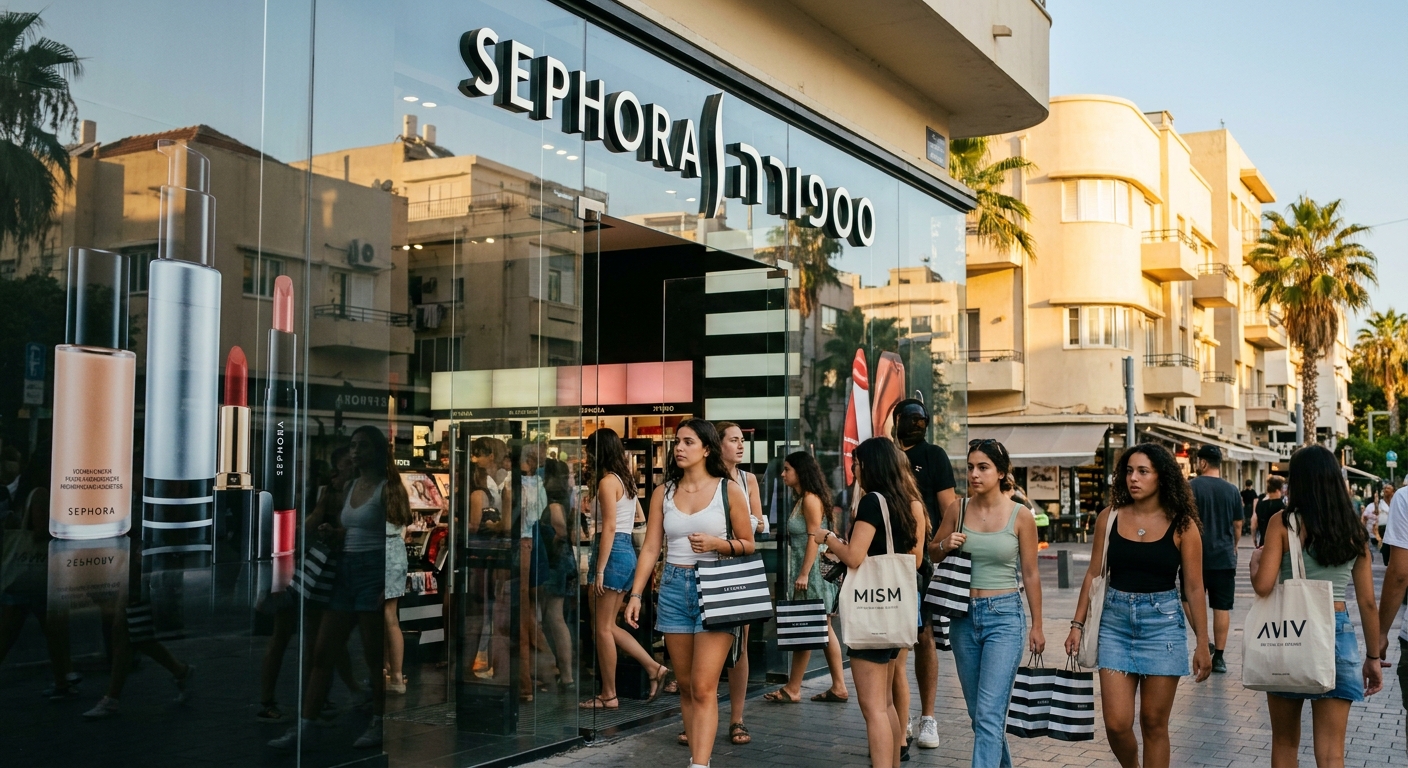
If you are in Israel, you have probably lived this beauty-shopping frustration for years. A big global brand makes headlines, everyone posts swatches, everyone talks about the launch, and then local shelves get a tiny corner display, six shades instead of thirty, and prices that make you put the tester down and walk away. That is why the Sephora opening in Israel product range question matters more than the usual hype. People do not just want gossip. They want to know what will actually be sold, where it will be sold, and whether it is worth waiting for.
Right now, the honest answer is this. Sephora’s move into Israel looks more like a cautious test than a full-blown beauty takeover. Expect pop-up activity, pilot locations, and a more selective product mix at first, not the endless Paris or New York wall of options. That may disappoint shoppers who want the full experience on day one, but it also means you can shop smarter. And if the politics, boycott headlines, and social media noise have made this story feel impossible to follow, take a breath. Here is what seems real, what to expect, and which Israeli beauty alternatives already give you a very similar prestige feel without the confusion.
⚡ In a Hurry? Key Takeaways
- Sephora in Israel is likely to start small, with limited locations and a tighter product range than flagship stores abroad.
- If you want specific shades or viral launches, wait for confirmed stock lists instead of assuming the full global catalog will arrive.
- Local Israeli skincare and beauty brands already cover a lot of the same “prestige” ground, often with easier access and less guesswork.
What Sephora’s Israel Launch Really Means
The biggest thing to understand is scale. When shoppers hear “Sephora is coming,” they picture rows of brands, huge shade ranges, rare imports, mini sizes, exclusive sets, and sales staff who can actually point you to three versions of the same serum. That is probably not how this starts in Israel.
Most international retail launches begin with a trial phase. That usually means a smaller footprint, fewer SKUs, and a product selection based on what sells fastest and causes the fewest supply headaches. In plain English, you are more likely to get the “greatest hits” than the deep cuts.
So yes, Sephora opening in Israel is news. But no, it does not automatically mean every TikTok-famous brand, every holiday gift box, and every shade range will instantly appear on Dizengoff.
What Kind of Product Range Should Shoppers Expect?
Likely to arrive first
The first wave usually focuses on easy winners. Think bestselling skincare, known fragrance names, hero makeup products, and giftable items. Brands with broad demand and simpler regulatory paths tend to show up sooner.
You may also see a stronger focus on categories that are easier to stock consistently, such as cleansers, moisturizers, lip products, mascaras, and selected fragrances. These are lower-risk than launching full complexion ranges with dozens of undertones.
What may be limited at first
Complexion shades are the obvious watch-out. Foundations, concealers, and contour ranges often get trimmed in smaller markets. That is not unique to Israel, but it is one of the biggest shopper complaints whenever a global chain lands in a new country.
You may also find that viral products arrive later, in smaller quantities, or not at all. Some brands keep strict control over where new releases appear. Others test demand before committing shelf space.
What this means for your shopping list
If you are after a specific serum, a certain blush shade, or a hard-to-find fragrance set, do not assume. Check actual inventory once stores or pop-ups open. If you want the Sephora experience for browsing and testing, great. If you need one exact item, patience will save you money and disappointment.
Pop-Ups and Pilot Stores Matter More Than People Think
Pop-ups and pilot stores can sound underwhelming, but they tell you a lot. They show how serious the launch is, how much stock the company is willing to risk, and which categories they think Israeli shoppers want most.
A pop-up is often a marketing event first and a retail test second. It builds buzz, gathers demand data, and helps the company see what people touch, try, and actually buy. A pilot store goes a step further. It tests whether foot traffic, pricing, staffing, and supply can support a bigger rollout.
For shoppers, this means one practical thing. The first locations may not represent the final Sephora Israel experience. If the opening selection feels narrow, that does not necessarily mean it will stay that way. But it also does not guarantee rapid expansion.
Why the Story Feels So Confusing Online
Part of the mess is simple internet behavior. Retail rumors spread fast. One report about talks, one leaked hiring move, or one social media post can turn into “confirmed launch” within hours. Then politics gets layered on top, and suddenly nobody is talking about shelf space or pricing anymore.
The result is classic outrage-farming. People who do not shop here, do not follow local retail, and do not care about what is actually available start treating the story like a culture-war football.
That is not useful when you are just trying to figure out whether you should wait for Sephora or buy your cleanser now.
Will Sephora Be Worth It for Israeli Shoppers?
Yes, if you want access and discovery
Sephora is good at discovery. It puts products side by side, makes comparison easier, and gives shoppers a chance to test textures and shades in person. That alone can be a big upgrade over chasing recommendations online and hoping an overseas order matches your skin tone.
Maybe not, if you expect lower prices
Do not assume Sephora means bargains. Imported prestige beauty in Israel still has to deal with shipping, taxes, local distribution, and retail overhead. Some items may be competitively priced. Others may cost more than what you see on US or French TikTok.
That is why the smartest shoppers compare item by item. Do not buy the logo. Buy the value.
Probably not at first, if you need every shade and every launch
If your dream is the full flagship assortment, manage expectations. Early-phase stores almost never match mature markets. It is better to think of this as a start, not a finish line.
Israeli Beauty Alternatives That Already Do the Job
This is the part people often skip, and they should not. Israel already has strong beauty options, especially in skincare. If your goal is effective formulas, skin-friendly ingredients, and that prestige feel, local brands can cover a lot of ground.
Dead Sea skincare
This is the obvious category, but it is obvious for a reason. Mineral-rich masks, salt scrubs, body treatments, and calming skincare built around Dead Sea ingredients remain one of Israel’s strongest beauty lanes. You are not settling when you buy these. In many cases, you are buying the category at its source.
High-tech facial serums
Israeli skincare has a real science-forward reputation. You can already find local formulas focused on hydration, barrier repair, brightening, retinol alternatives, and post-procedure calming. If your interest in Sephora is really about better skincare, not branding, Israeli options may get you there faster.
Professional-grade cosmeceuticals
A lot of Israeli shoppers already know this, but clinics and pharmacy-beauty hybrids here often stock serious skincare that performs as well as many imported prestige labels. It may not come with the same social media buzz, but your skin does not care who went viral.
How to Shop Smart When the Launch Starts
Here is the no-drama approach.
1. Check the actual assortment
Do not judge Sephora Israel by headlines. Judge it by the shelf, the shade count, and the refill rate. If the item you want is not there, that is your answer.
2. Compare by category, not by hype
A Sephora moisturizer should compete with other moisturizers. A local serum should compete with imported serums. Once you compare ingredients, texture, size, and price, a lot of hype falls away.
3. Watch opening-month stock carefully
First-month launches often look stronger than normal because brands front-load exciting products for press and social media. The real test is what remains available a few weeks later.
4. Use Sephora for testing, not blind loyalty
One of the best reasons to shop there may simply be the chance to swatch, smell, and try. That can help you avoid bad online buys, even if you end up deciding an Israeli alternative works better.
5. Keep your values in the picture
Some shoppers care mostly about access and convenience. Others care about buying local. Others want to avoid the noise around brands caught up in political campaigns. All of those are valid. The goal is to be intentional, not reactive.
What to Watch Over the Next Few Months
If you want a clear read on whether Sephora is really taking root in Israel, watch these signals:
- Whether pop-ups turn into stable retail locations.
- Whether complexion ranges expand after launch.
- Whether stock is replenished consistently.
- Whether the brand mix grows beyond obvious bestsellers.
- Whether prices stay merely high or drift into “absolutely not” territory.
Those signs matter far more than dramatic posts online.
At a Glance: Comparison
| Feature/Aspect | Details | Verdict |
|---|---|---|
| Initial product range | Likely focused on bestsellers, skincare heroes, fragrance, and selected makeup, not the full global assortment. | Good for browsing. Limited for niche or shade-specific shopping. |
| Store rollout | Expect pop-ups and pilot stores before any wider national footprint is clear. | Treat it as a test phase, not instant retail transformation. |
| Israeli beauty alternatives | Dead Sea skincare, science-led serums, and local cosmeceuticals already cover many prestige needs. | Often the smarter buy if you want results without launch drama. |
Conclusion
Sephora’s arrival in Israel matters, but mostly as a reality check. It is not a magic portal that instantly gives local shoppers the full Paris or New York experience. At least not yet. What it does offer is a possible new way to test, compare, and access prestige beauty without always chasing overseas drops. The key is to keep expectations realistic. Watch the actual product range, note how limited or wide the assortment really is, pay attention to where the pop-up and pilot stores open, and do not overlook the Israeli brands that already deliver excellent Dead Sea skincare and high-tech serums right now. That is the useful part of this story. Not the clickbait, not the outrage spiral. Just clear, practical information that helps you make smart, values-aligned shopping decisions in a noisy moment.