You know the feeling. Holiday shopping starts, your feed fills with the same shiny dresses, the same copied knits, the same “Mediterranean inspired” pieces that could have come from anywhere. If what you actually want is something that feels like Israel, the real Israel, the search gets frustrating fast. From abroad, it is hard to tell what is truly from Jaffa or Tel Aviv, what is well made, and what is just smart marketing with a Hebrew caption.
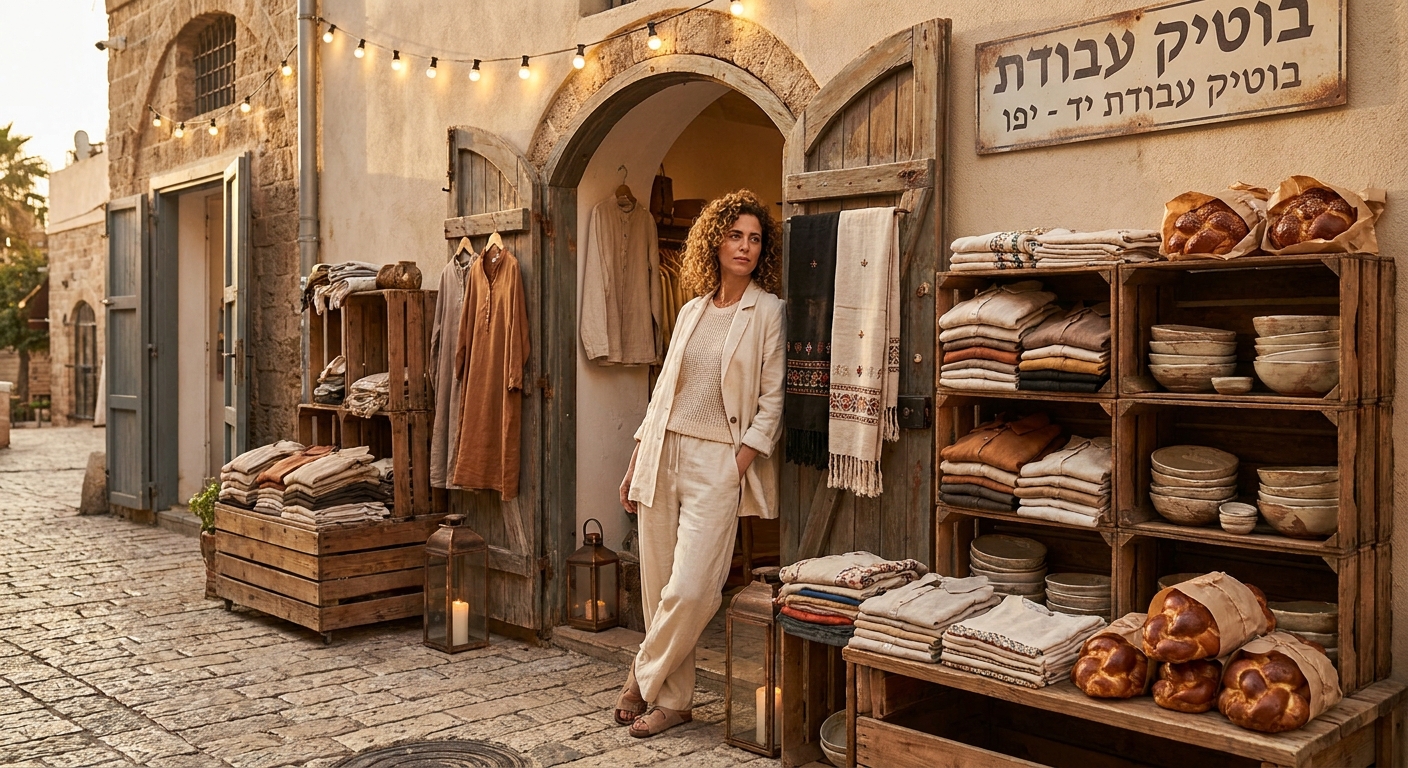
That is exactly why the Israeli holiday fashion pop up Jaffa 2026 moment matters. Small labels are releasing tight, often limited holiday drops now, not six months from now when international shoppers finally hear about them. These are the kinds of pieces that sell out quietly through Instagram stories, neighborhood pop-ups, and designer mailing lists. If you have ever wanted a gift, a statement piece, or even a table-textile set that carries the look and mood of the Holy Land without feeling touristy, this is the sweet spot. The trick is knowing what to buy, what fabrics are worth your money, and how to spot the designers whose work feels collectible instead of disposable.
⚡ In a Hurry? Key Takeaways
- Israeli holiday fashion drops from Jaffa and Tel Aviv are often small-batch, which means the best pieces disappear before mainstream shoppers notice them.
- Start with natural fabrics like linen, cotton, silk blends, and light wool, then check size charts, shipping windows, and return terms before you buy.
- The safest value is in versatile items like scarves, relaxed tailoring, jewelry, and home-textile gifts that carry local design without risky sizing.
Why these drops are getting attention now
Jaffa and Tel Aviv have always had style, but the global shopping machine usually skips over the small local labels. Big chains are louder. Algorithms push what is already popular. That leaves a strange gap where some of the most interesting Israeli design gets seen only by people who are physically there or already plugged into the local scene.
Holiday pop-ups change that a little. Designers use them to test special pieces, release short runs, and build buzz without making huge inventory bets. For shoppers, that means better originality. It also means less time to think.
That urgency is part of the appeal. A hand-finished jacket from a Jaffa studio or a Tel Aviv evening top cut in deadstock silk feels different when you know there may only be 20 made. It is not hype for hype’s sake. It is simply how many of these businesses operate.
What “real local” usually looks like
Not every brand that uses desert tones or Middle Eastern styling is actually rooted in Israel. If you are shopping from overseas, look for a few clear signs.
Studio-first branding
Local designers often show their workspace, fittings, fabric rolls, pattern tables, and pop-up racks. Their social pages feel closer to a diary than a polished ad campaign.
Small runs and specific fabric notes
If a label tells you a piece is made from washed linen, cotton voile, cupro, silk satin, or wool crepe, that is a good sign. So is mention of limited quantities, local production, or deadstock fabric use.
A point of view that feels tied to place
Jaffa style often leans textured, sun-washed, artisanal, and relaxed. Tel Aviv can run sleeker, sharper, and more urban. Good local brands do not need to scream “Israeli.” You can usually feel it in the cut, color, and styling.
The standout categories worth watching
If your goal is to buy something meaningful and useful, not just trendy, a few categories give the best return.
1. Relaxed tailoring
Think soft blazers, wide-leg trousers, easy button-downs, and matching sets. These pieces tend to travel well between seasons and can be dressed up for holidays or down for everyday wear.
Best fabrics: Linen blends, cotton twill, light wool, cupro.
Typical price range: $140 to $380 per piece.
Why it works: Easier sizing than fitted dresses. Strong gift potential if you know the recipient’s style.
2. Occasion tops and dresses with local character
This is where Tel Aviv especially shines. Look for draped tops, sharp black dresses, metallic accents, or soft neutrals with interesting structure. They feel festive without looking like mall holiday wear.
Best fabrics: Silk blends, satin, crepe, ribbed knit, gauze cotton for day-to-night looks.
Typical price range: $120 to $450.
Why it works: These pieces stand out in photos and events, and limited runs can make them feel collectible later.
3. Scarves, wraps, and knit accessories
If you are nervous about sizing or international returns, start here. A beautiful wrap from a local maker is one of the easiest ways to buy into the scene.
Best fabrics: Merino, cotton, silk, modal, cashmere blends.
Typical price range: $60 to $220.
Why it works: High gift value. Lower shipping stress. Easier customs math.
4. Jewelry and wearable art
Jaffa’s market energy and old-stone atmosphere often show up in jewelry through hammered metals, organic forms, glass, ceramic, and mixed materials.
Best materials: Sterling silver, gold vermeil, brass, hand-blown glass, ceramic accents.
Typical price range: $45 to $300.
Why it works: Great entry point for collectors. Easy to ship. Often made in very small quantities.
5. Fashion-adjacent home gifts
Some of the smartest holiday buys are not clothes at all. Think printed table linens, hand-sewn textile pieces, embroidered napkin sets, or artist-made candle accessories with the same design language as the fashion labels.
Best fabrics: Linen, washed cotton, canvas.
Typical price range: $35 to $180.
Why it works: Brings Jaffa style into the home. Excellent for hosts and family gifts.
How to tell if the quality matches the price
This is the part people worry about most, and fairly so. Beautiful Instagram photos do not always mean beautiful clothes.
Read the fabric line carefully
Natural fibers usually age better and feel better. That does not mean synthetics are always bad, especially in eveningwear, but you should know why they are there. A satin dress with some viscose or polyester may drape well. A “luxury” blouse with no fabric details at all is a red flag.
Look at seams, lining, and closure shots
Good brands usually show close-ups. You want clean hems, stable stitching, and closures that do not look flimsy. If there are no detail shots, ask.
Check whether sizing is specific
Small studios tend to know their customer. If a brand offers garment measurements, fit notes like “runs narrow in the shoulders,” or advice on height and drape, that is a strong signal that they care about wearability.
See how they talk about production
Words like “made in limited quantities,” “cut and sewn locally,” or “produced in small workshops” are helpful when backed by actual details. Vague luxury language is less useful than simple transparency.
What tends to sell out first
If you are trying to shop these collections before they vanish, focus on the items that usually go fastest.
- Neutral linen sets in cream, black, sand, and olive
- Statement jewelry in small artist runs
- Holiday dresses in inclusive, forgiving cuts
- Scarves and wraps priced under $100
- Any “last pieces” or numbered editions
Collectors and repeat buyers often move quickly on items that are easy to wear and hard to restock. Once a deadstock fabric is gone, it is gone.
Smart buying tips for overseas shoppers
You do not need to be a fashion insider to shop these releases well. A few simple habits can save you money and disappointment.
Ask for the flat measurements
Not just small, medium, and large. Ask for chest, waist, hips, inseam, and garment length. It cuts down on guesswork immediately.
Factor in shipping time before you fall in love
Some pop-up pieces are ready to ship. Others are made to order or finished in small batches. If you need a gift by a certain date, ask first.
Start with lower-risk categories
Scarves, jewelry, roomy shirts, and home textiles are safer than fitted pants or structured dresses if returns would be complicated.
Use saved posts and newsletter signups
Many local designers announce drops first through Instagram stories and email. If you wait for search engines to catch up, you may already be too late.
Why some of these pieces may become collectors’ favorites
“Collector’s gold” sounds dramatic, but in this case it simply means pieces people remember, keep, and hunt for later. Fashion gets collectible when it captures a place and a moment. Jaffa pop-up pieces often do exactly that. They are tied to a season, a local mood, a fabric source, even a specific holiday release.
That does not mean every item will gain resale value. It means the best ones often become the piece someone asks about years later. Where did you get that jacket? Who made that necklace? Why does that table linen set feel so different from everything else?
That kind of staying power is rare in fast fashion. It is much more common in thoughtful small-batch design.
Best gifting picks by budget
Under $75
Look for earrings, ceramic accessories, printed scarves, or small textile goods. This is the easiest way to support a local maker without overthinking size.
$75 to $200
This is the sweet spot for wraps, elevated shirts, artisan jewelry, and select home pieces. Strong value here.
$200 and up
Go for tailored sets, standout dresses, coats, or heirloom-quality jewelry. These are the pieces most likely to feel special enough for a holiday gift with long life.
At a Glance: Comparison
| Feature/Aspect | Details | Verdict |
|---|---|---|
| Authenticity | Best local brands show studio process, small runs, clear fabric info, and a style rooted in Jaffa or Tel Aviv rather than generic “Mediterranean” branding. | Worth prioritizing. This is what separates meaningful finds from copycat fashion. |
| Price vs. Quality | Prices usually run higher than chain stores, but natural fabrics, local production, and limited quantities often justify the jump. | Good value if you check materials, measurements, and finishing details before buying. |
| Best First Purchase | Scarves, jewelry, relaxed shirts, and home textiles are easier for overseas shoppers than fitted pieces with tricky returns. | Smart place to start, especially for gifts or first-time buyers. |
Conclusion
If you have been craving something more personal than another anonymous holiday haul, this is a good moment to act. Israeli brands are quietly dropping small-batch collections right now, and many international shoppers will not hear about them until the best pieces are long gone. A little care goes a long way. Check the fabric, ask for measurements, and start with the categories that travel and gift well. Done right, you are not just buying clothes or accessories. You are supporting real Israeli designers, bringing a slice of Jaffa and Tel Aviv style into your life, and turning pre-holiday shopping from a chore into something that actually feels joyful and connected.