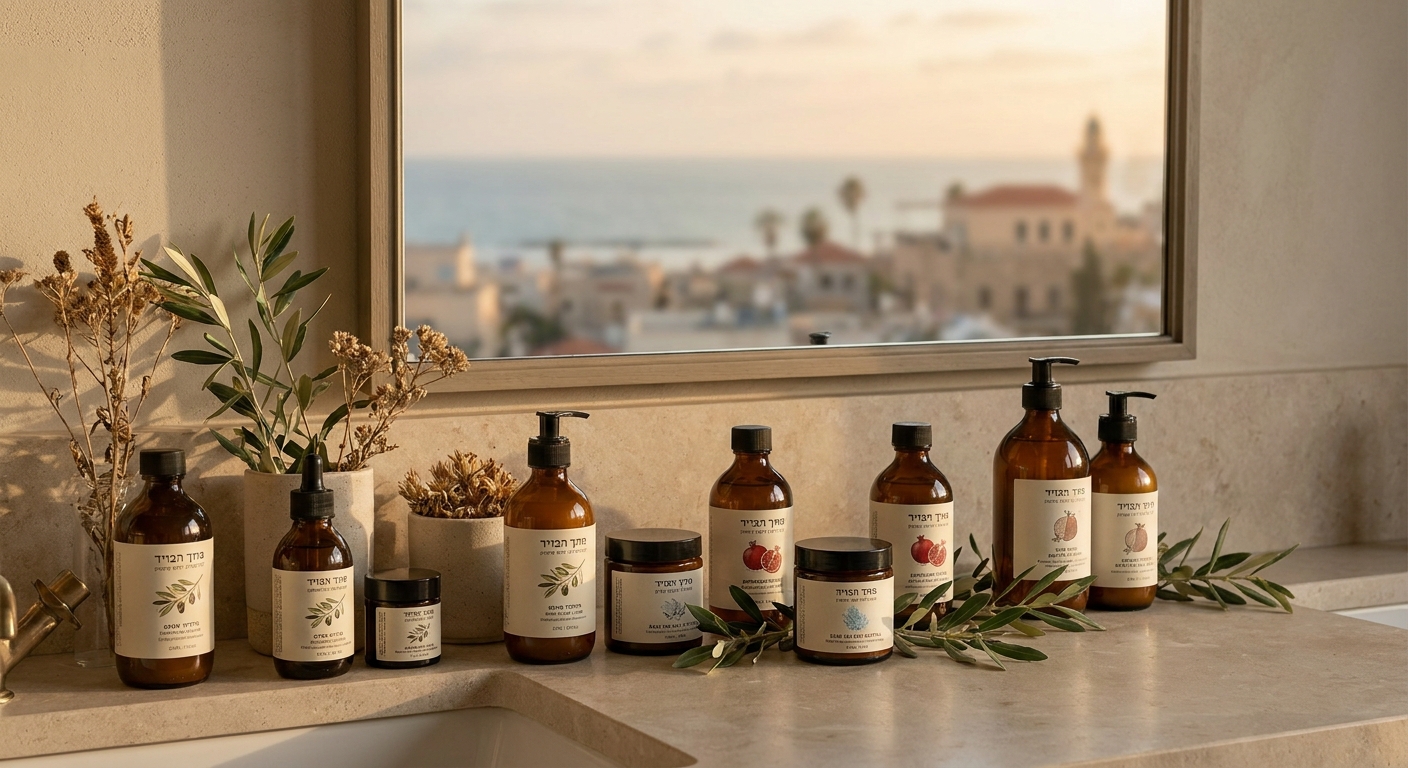
You spot an “Israeli” face cream on Amazon, see a blue-and-white flag in the listing, and then the doubt kicks in. Is it actually made in Israel? Is it clean? Is it just a private-label jar with a Dead Sea buzzword slapped on top? If you feel confused, you are not overthinking it. The Israeli beauty space in the US is having a moment, but it is also crowded with vague claims, reseller markups and products that borrow the Holy Land story without offering much proof. The good news is that a small group of real Israeli skincare brands is quietly doing the opposite. They are showing up in US retail, following stricter ingredient rules, and building trust product by product instead of kiosk pitch by kiosk pitch. If you are looking for the best Israeli clean beauty brands in the US, start with the labels below, and shop with a sharper eye than Amazon expects.
⚡ In a Hurry? Key Takeaways
- The best Israeli clean beauty brands in the US are usually the ones with clear founder stories, transparent ingredient lists, real retail partners and consistent labeling, not just “Dead Sea” marketing.
- Start by buying from a brand’s own US site, Sephora, Credo, Whole Foods, Target or a known authorized seller before you trust an Amazon listing.
- Check where the product is made, who distributes it in the US, and whether it avoids exaggerated cure-all claims. That protects both your skin and your wallet.
Why this has gotten so messy
Israeli beauty has real strengths. Lab-driven skincare. Smart use of minerals, botanicals and active ingredients. Strong sunscreen and treatment culture. But once these products hit the US market, the signal gets noisy.
You get three layers of confusion at once. First, “clean beauty” means different things to different stores. Second, “Dead Sea” is used so loosely that it can mean almost anything. Third, some shoppers want to support Israeli brands while also avoiding settlement-related controversy, and product pages often do a poor job explaining sourcing and manufacturing.
That is why the safest approach is boring, but effective. Look for brands with transparent manufacturing, proper US distribution, ingredient clarity and shelf space in respected retailers. Those brands usually have more to lose, so they tend to play straighter.
What “clean” should mean here
Let’s keep this simple. Clean beauty is not a legal term in the US. It is mostly a retail and marketing category. So do not treat “clean” as a magic safety stamp.
Use this checklist instead
A trustworthy Israeli clean beauty brand in the US should have most of these:
- Full ingredient list in standard INCI format
- Clear country-of-origin or manufacturing details
- A real brand site with contact info and return policy
- US retail presence or an authorized US distributor
- No wild medical promises
- Packaging and claims that match across retailers
If a listing is vague, oddly translated, or overloaded with flags and buzzwords, pause. That is often your clue.
The Israeli brands worth watching in the US
These are not the only good options. But they are among the more credible names if your goal is to find Israeli skincare that feels both real and responsibly sold.
Laline
Laline is better known for body care than hardcore clinical skincare, but that can actually be a plus for many shoppers. The brand has strong recognition in Israel, polished retail presentation and a cleaner, more lifestyle-focused approach than the old mall-kiosk model.
Best for: body creams, hand care, shower products, giftable basics.
Why it stands out: consistent branding, established retail identity, less dependence on miracle-claim marketing.
Minus 417
This is one of the more visible Israeli Dead Sea mineral brands in global markets. The brand leans heavily on spa-style skincare and body care, and it has done a decent job building a recognizable identity beyond random marketplace sellers.
Best for: mineral masks, body scrubs, foot care, spa-like products.
Watch for: pricing swings on third-party marketplaces. Buy from known sellers when possible.
AHAVA
AHAVA is probably the best-known Israeli skincare name in the Dead Sea category. It is also the one many shoppers research hardest because of long-running political and sourcing questions. If that matters to you, do not guess. Read the current brand disclosures, check retailer descriptions and decide based on your own comfort level.
Best for: mineral hand cream, mud masks, body moisturizers.
Why people still buy it: strong recognition, widely available, easy to compare across major retailers.
Why some shoppers hesitate: controversy around location and sourcing has followed the brand for years. If you want to avoid gray areas, choose another Israeli label with clearer manufacturing optics for your comfort level.
Christina Cosmeceuticals
If you want the more professional, treatment-room side of Israeli skincare, Christina is worth a look. It is popular with estheticians and tends to focus more on results-driven skincare than tourist-gift style beauty.
Best for: peels, brightening lines, acne-prone or texture-focused routines.
Why it stands out: stronger professional skincare reputation, more “clinic shelf” than “airport souvenir.”
Holy Land Cosmetics
Another professional-facing Israeli skincare brand, Holy Land has a loyal following in spas and among estheticians. It is not the flashiest brand, and that is partly why people trust it. Less hype. More treatment focus.
Best for: oily skin, exfoliating products, problem-skin routines.
Watch for: authorized seller issues online. This is a brand where reseller quality matters a lot.
Sabon
Sabon is more bath-and-body luxury than strict “clean beauty,” but it belongs in the conversation because it represents a more polished, giftable, retail-friendly Israeli brand model that has aged better than aggressive kiosk sales ever did.
Best for: scrubs, bath oils, hand care, home-spa gifts.
Why it matters: it shows how Israeli beauty can win in the US through experience, quality and branding, not just Dead Sea clichés.
How to tell if an Amazon listing is the real thing
This is where many people get burned. Amazon is convenient, but beauty is one of the easiest categories for confusion. Not always counterfeit. Sometimes just old stock, diverted stock or badly stored products.
Check the seller first
If the seller is the brand itself, a known distributor, or Amazon carrying brand-authorized stock, that is a good sign. If the seller name looks random and has a mixed catalog of phone cases, supplements and luxury skincare, move on.
Look for consistency
Compare the product page to the brand’s own site. Same packaging? Same ingredient deck? Same product size? Same claims? If not, do not talk yourself into it.
Be careful with “Dead Sea” language
“Dead Sea minerals” can be technically true in tiny amounts and still tell you very little. It does not guarantee the product is Israeli, premium or even especially effective.
Watch the price
If the “deal” is much cheaper than Sephora, Target, Whole Foods or the brand’s official US site, ask why. Beauty products do not become bargains for magical reasons.
Where to buy instead of rolling the dice
If your goal is confidence, use channels with better accountability.
- Brand-owned US websites
- Sephora, when available
- Credo or other curated clean beauty retailers
- Whole Foods, Target, Ulta or department stores, if the brand is stocked there
- Licensed spa or esthetician partners for professional Israeli skincare lines
If you are also trying to sort out which Israeli beauty labels are truly making headway in mainstream retail, this related piece is useful: From Azrieli Malls to Your Bathroom Shelf: The Sephora x Israel Collab Quietly Rewriting Holy Land Beauty. It helps separate authentic Israeli beauty momentum from simple branding noise.
How to avoid settlement-related and sourcing surprises
This part matters to many shoppers right now, and brands do not always make it easy.
Read the fine print
Check the brand’s FAQ, “about” page, shipping disclosures and product packaging photos. You are looking for where products are made, not just where the company is headquartered.
Use retailer transparency as a clue
Larger US retailers often force cleaner labeling and standardized compliance language. It is not perfect, but it is usually better than a marketplace seller with two blurry images.
Do not confuse “Israeli brand” with “made in Israel”
Some brands are founded in Israel but manufacture elsewhere. That is not automatically bad. It just means you should know what you are supporting and buying.
My practical shortlist for different shoppers
If you want the safest mainstream buy
Laline or Sabon. Easy to understand. Lower drama. Good gifting. Good everyday use.
If you want classic Dead Sea skincare
AHAVA or Minus 417, but buy carefully and read up on sourcing if that matters to you.
If you want treatment-driven skincare
Christina Cosmeceuticals or Holy Land Cosmetics. Better for people who care more about actives and results than branding.
If you want the cleanest shopping experience
Choose the brand with the clearest labeling and the most direct retail path, even if it is not the most famous one. Boring is good here.
At a Glance: Comparison
| Feature/Aspect | Details | Verdict |
|---|---|---|
| Best place to buy | Brand websites, major US retailers, authorized spa partners beat random marketplace sellers for freshness and authenticity. | Skip sketchy Amazon listings unless the seller is clearly authorized. |
| Most trustworthy brand signals | Clear ingredient lists, manufacturing details, stable packaging, real customer service and consistent pricing across channels. | Transparency matters more than patriotic packaging. |
| Best fit by shopper type | Laline and Sabon for body care, AHAVA and Minus 417 for Dead Sea fans, Christina and Holy Land for treatment-focused routines. | Pick based on your skin goals, then verify the seller. |
Conclusion
There really are trustworthy Israeli beauty brands in the US right now. You just have to shop past the noise. That means fewer impulse buys from flashy listings and more attention to labeling, retail partners and brand history. For the IsraSale community, that is useful right now because interest in Israeli products is rising at the exact moment confusion is rising too. A practical shortlist helps you support Israel with your bathroom shelf, avoid sketchy resellers and reduce the chance of walking into settlement-related controversy by accident. More than that, it helps you buy products that actually do what skincare is supposed to do. Work well, feel good and earn a spot on your shelf.