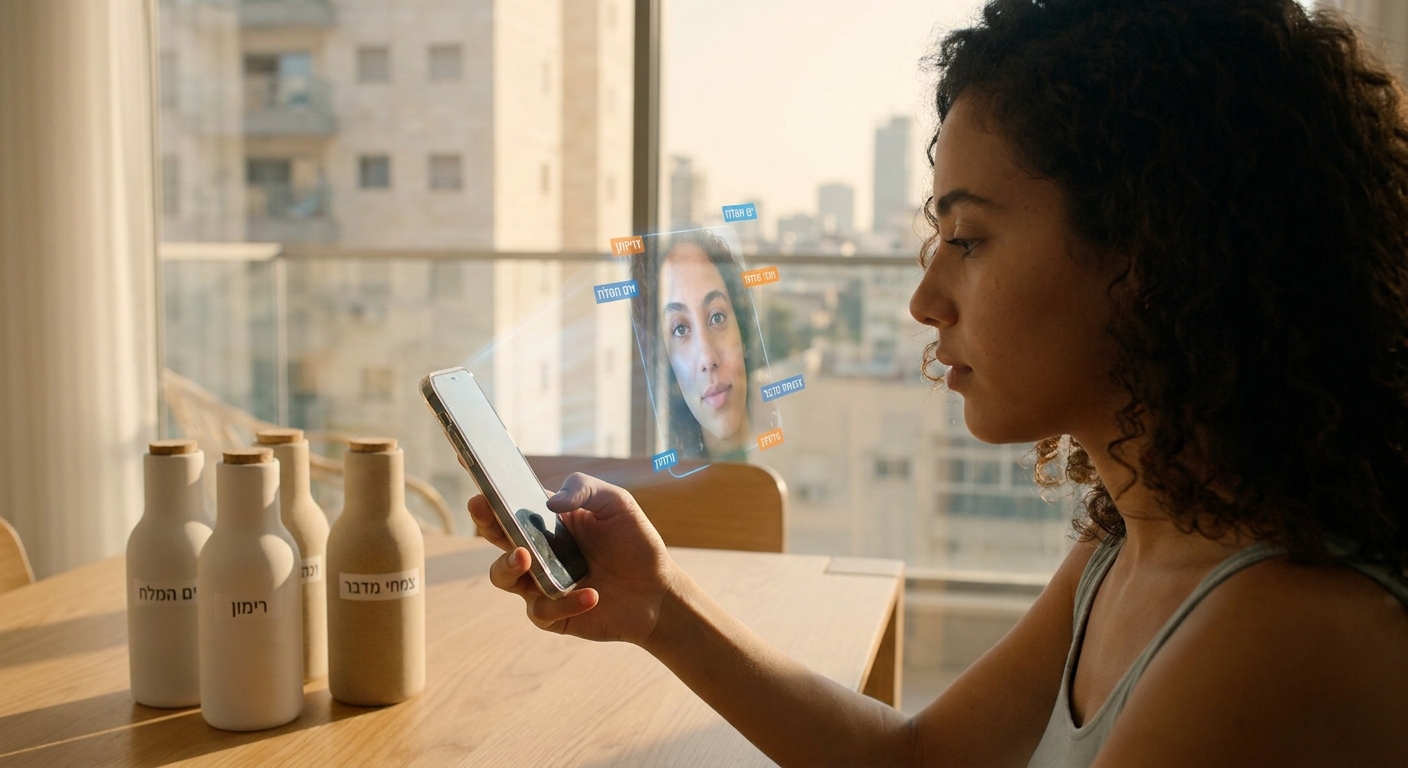
You are not crazy for feeling lost in the skincare aisle. One bottle says “brightening,” another promises “barrier repair,” and an influencer with perfect lighting insists you need five serums before breakfast. Meanwhile, your actual skin is doing its own thing. Maybe it is dry on the cheeks, shiny on the nose, irritated after sunscreen, and somehow still breaking out. That is why Israeli AI skincare app tools are getting so much attention right now. Instead of asking you to pick a vague skin type from a quiz, they use your phone camera and computer vision to scan what is happening on your face in real time. The idea is simple. Get a clearer read on pores, redness, texture, spots, oil levels, and sun damage clues, then match that information to products that fit. For anyone trying to choose smarter, especially with Israeli and Dead Sea products, this is a very useful shift.
⚡ In a Hurry? Key Takeaways
- Israeli AI skincare app tools can turn your phone into a practical skin-check assistant by analyzing visible signs like texture, pores, redness, and uneven tone.
- Use the scan results to build a simpler routine. Pick one main concern first, then match it to targeted SPF, serum, or Dead Sea treatment instead of buying everything at once.
- These apps are helpful for guidance, not diagnosis. If a spot changes shape, bleeds, or will not heal, see a dermatologist.
Why this matters now
Skincare used to be simpler. Cleanser, moisturizer, sunscreen. Done.
Now it can feel like a second job. You are expected to know about peptides, acids, retinoids, fungal acne, blue light, skin cycling, and whether your cleanser is secretly ruining your “microbiome.” It is exhausting.
That is where Israeli labs have been quietly doing something smart. They have taken the kind of image analysis once used in clinics and adapted it for everyday smartphones. Not magic. Not a miracle. Just better pattern recognition from the camera already in your hand.
For shoppers interested in Israeli AI skincare app Dead Sea products, this is especially useful. Israel has strong skincare traditions and serious computer-vision talent, so the pairing makes sense. One side reads the skin. The other side offers mineral-rich masks, mud treatments, and targeted formulas worth considering if they actually fit your needs.
How a phone-based skin scanner actually works
The basic process is surprisingly down to earth.
You take a guided selfie
Most apps ask you to stand in even lighting, remove heavy makeup, pull hair away from your face, and hold the phone at a certain angle. Good apps guide you through this because bad lighting can fool the software.
The app maps visible features
It looks for things your eye can miss or underestimate. Fine lines. Pore size. Red patches. Dark spots. Texture changes. Oil shine. Sometimes even early signs of dehydration based on surface patterns.
The AI compares your skin to trained image sets
This is the part people hear and think, “So it is guessing?” Sort of, but in a useful way. The software has been trained on many facial images labeled for common skin features. It compares your scan to known patterns and produces a score or report.
Then it suggests a routine
This is where you need to stay a little skeptical. The scan itself may be useful. The product suggestions may be excellent, or they may lean toward whatever brand partnership the app has. Always separate the analysis from the sales pitch.
What these apps do well, and what they do not
They are good at trends and visible clues. They are not a replacement for a medical exam.
What they do well
They can help you spot that your main issue is dehydration, not “aging.” Or that your redness is more important than chasing another brightening serum. Or that your forehead is oily while the rest of your face is dry, which means one-size-fits-all routines may be wasting your money.
They are also useful for tracking change over time. If you scan once a week in the same lighting, you can see whether a product is actually helping or whether your skin just looked better on a good day.
What they do not do well
They cannot diagnose skin cancer, rosacea, eczema, melasma, or a suspicious mole with the certainty of a trained dermatologist. Some apps may flag risk. That is not the same as a diagnosis.
If a lesion changes color, grows, crusts, or bleeds, skip the app and book an appointment.
How to read the report without getting overwhelmed
The best scan in the world is pointless if you turn it into a 12-step panic purchase.
Start with the top one or two concerns
If the app says you have mild pigmentation, moderate dehydration, and significant redness, do not buy six products. Start where your skin seems most stressed. For many people, that means barrier repair and sunscreen first.
Look for consistency, not perfection
If you scan on Monday and the app says “oil imbalance,” then on Thursday it says “dryness,” that may just mean different lighting, weather, or over-cleansing. Look for patterns over several scans.
Use product categories, not hype words
Ignore flashy labels. Focus on what the app says you need in plain English. More hydration. Better SPF coverage. Less irritation. Smoother texture. Then choose products that match that goal.
Where Israeli and Dead Sea products fit in
This is where things get practical.
If your scan points to congestion and excess oil, a Dead Sea mud mask once or twice a week may make sense. If it points to dryness and irritation, a harsh mud treatment may be the wrong move and a mineral-rich calming cream could be better. If pigmentation and sun stress show up, your money may be better spent on daily SPF than on another fancy mask.
And yes, product sourcing matters. If you are shopping internationally, it is worth reading From Shrinking Sea to Super Skincare: The New Dead Sea Brands Everyone’s Talking About Today. It helps sort out which products are genuinely tied to Dead Sea sourcing and which ones are mostly marketing.
A smart routine built from scan results
Here is a simple way to use an Israeli AI skincare app without letting it run your life.
If the scan shows dryness or barrier damage
Use a gentle cleanser, a plain moisturizer with barrier-supporting ingredients, and sunscreen every morning. Skip strong acids for a couple of weeks. If you want an Israeli product angle, look for mineral-based creams that support hydration rather than “deep detox” formulas.
If the scan shows oil, clogged pores, or rough texture
Use a lightweight cleanser, a treatment product with a proven active that suits your skin, and a non-greasy SPF. A Dead Sea mud mask may help as a supporting step, but it should not be your whole routine.
If the scan shows redness and sensitivity
Keep the routine boring for a while. That is often the smartest move. Fragrance-free products, basic moisture, and sunscreen. If a scan says your skin is reactive, do not celebrate by testing three new serums at once.
If the scan shows uneven tone or sun impact
Focus on sunscreen first. Every day. Then consider brightening or resurfacing products slowly. Without SPF, most pigmentation routines are just expensive wishful thinking.
How to choose a good AI skin app
Not every app is equally useful. Some are thoughtful tools. Some are just shopping funnels with a camera attached.
Look for guided image capture
If the app cares about lighting, distance, and angle, that is a good sign. It means the developers understand that clean input matters.
Look for explainable results
A useful app tells you what it found and why it matters. It does not just spit out a scary score and push a shopping cart.
Look for progress tracking
The real value is often in comparison over time. Weekly scans can show whether your skin is calmer, less oily, or more even after a routine change.
Look for privacy basics
You are uploading your face. That should make you pause. Check whether the app stores images, whether scans are used for model training, and whether you can delete your data.
Common mistakes people make
The biggest mistake is treating the app like a fortune teller.
Your skin changes with sleep, hormones, stress, weather, and how aggressively you washed it last night. A scan is a snapshot, not a final judgment.
The second mistake is overbuying. If the app says “texture,” “pores,” and “dullness,” that does not mean you need three new actives in one week.
The third mistake is ignoring the boring basics. Cleanser, moisturizer, sunscreen. If those are not right, the fancy stuff rarely saves you.
At a Glance: Comparison
| Feature/Aspect | Details | Verdict |
|---|---|---|
| Skin analysis quality | Good apps can flag visible issues like redness, pores, dryness, texture, and tone changes when photos are taken in consistent lighting. | Useful for guidance and tracking, not a medical diagnosis. |
| Product matching | The best use is matching one or two real concerns to a simpler routine, including SPF, serums, or targeted Dead Sea products. | Helpful if you separate honest analysis from brand upselling. |
| Value for money | Can reduce random skincare spending by showing what your skin actually needs instead of what trends are selling. | Worth trying if it helps you buy less, not more. |
Conclusion
Skincare is supposed to help you feel better in your own skin, not make you feel like you need a chemistry degree and a second paycheck. That is why this new wave of Israeli AI skincare app technology matters. It gives ordinary people a more grounded starting point. Not a perfect answer. Just a better one than guessing, scrolling, and buying whatever went viral last night. When you combine a clear scan, a little common sense, and well-matched Israeli or Dead Sea products, you can build a routine that is based on your face, not somebody else’s commission link. That helps the community right now because skincare has become confusing, expensive, and noisy, while Israeli computer-vision startups are quietly putting clinic-style insight into everyday phones. The real win is simple. Stop wasting money on random imports. Start using data, even basic data, to choose products from the Holy Land that actually fit your skin.